Understanding Kidney Diseases: A Patient's Guide
Introduction
Kidney diseases affect millions of people worldwide and are one of the fastest-growing health concerns globally. Because many kidney conditions develop slowly — often without obvious symptoms — they are frequently diagnosed only after significant damage has already occurred.
The good news is that with the right knowledge, regular check-ups, and healthy habits, many kidney problems can be prevented or effectively managed. This guide is designed to help you understand what kidney diseases are, what causes them, and what you can do to protect your kidney health.
How Your Kidneys Work
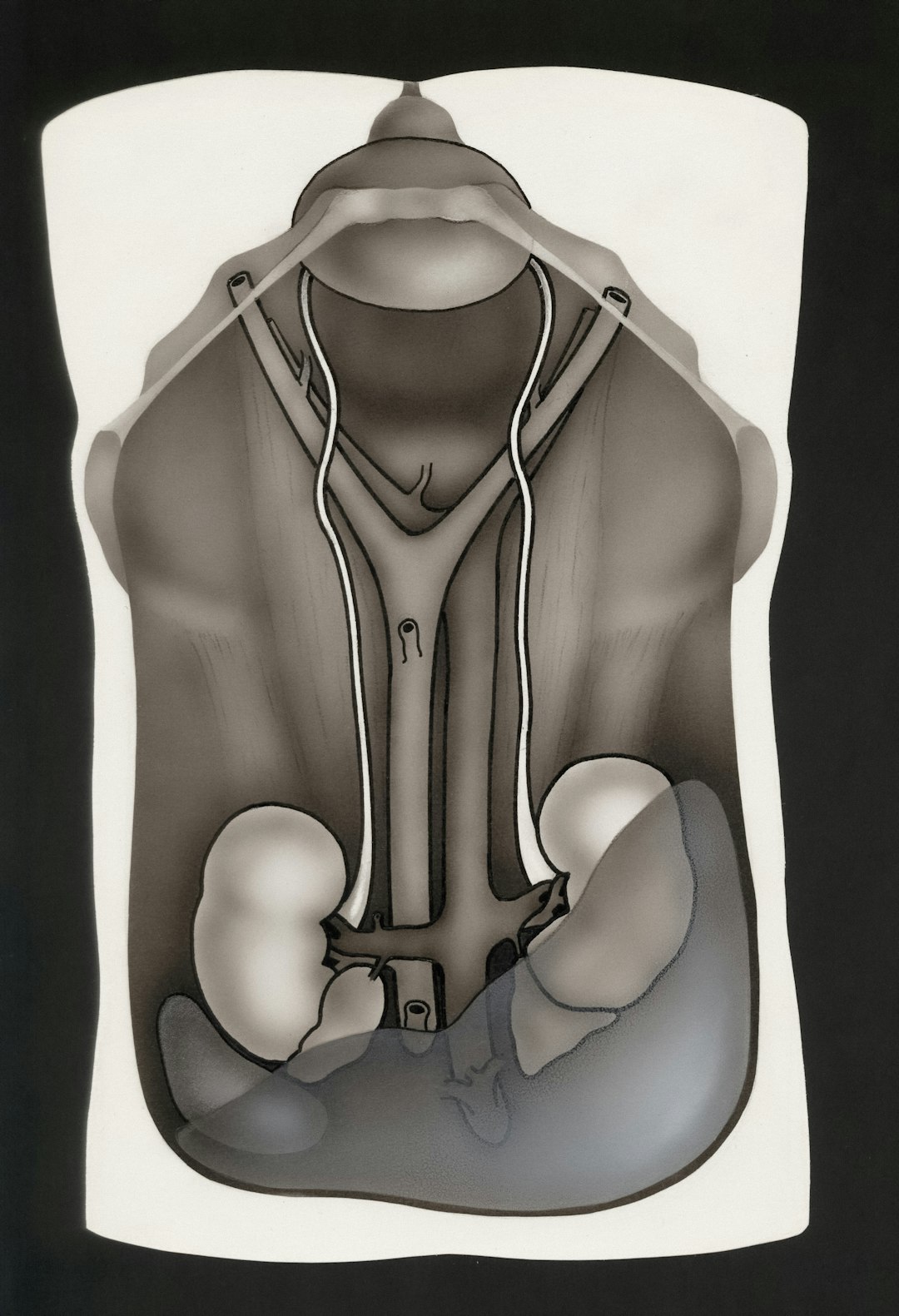
Your kidneys are two small, bean-shaped organs — each about the size of your fist — located on either side of your spine, just below the ribcage. Despite their modest size, they perform remarkable work every single day:
- 🔵 Filter your blood. Your kidneys process about 200 liters of blood per day, removing waste products and excess fluid as urine.
- 🩸 Regulate blood pressure. They produce a hormone called renin that helps keep blood pressure in a healthy range.
- ⚡ Balance electrolytes. Sodium, potassium, and calcium levels are carefully controlled to keep your heart, muscles, and nerves working properly.
- 🦴 Support bone health. They activate vitamin D, which is essential for strong bones and immune function.
- 🩺 Stimulate red blood cell production. They release erythropoietin, a hormone that tells your bone marrow to make red blood cells.
When the kidneys stop working properly, these vital functions are disrupted — which is why kidney disease can affect so many parts of your health.
Types of Kidney Disease
There are several distinct kidney conditions, each with its own causes, symptoms, and treatment approach. Here's what you need to know about the most common ones:
Most Common
1. Chronic Kidney Disease (CKD)
What it is: A long-term, progressive condition where the kidneys slowly lose their ability to filter blood over months or years. Main causes:
- Diabetes (most common cause)
- High blood pressure
- Recurring infections
- Autoimmune conditions
Symptoms to watch for:
- Fatigue and weakness
- Swelling in legs and ankles
- Frequent urination, especially at night
- Nausea or poor appetite
Sudden onset
2. Acute Kidney Injury (AKI)
What it is: A rapid, sudden decline in kidney function. Unlike CKD, it can often be reversed if caught and treated quickly. Main causes:
- Severe dehydration
- Serious infections (sepsis)
- Certain medications (e.g., NSAIDs, some antibiotics)
- Major surgery or trauma
Symptoms to watch for:
- Little or no urine output
- Confusion or mental fog
- Fluid retention and puffiness
- Shortness of breath
Very Common
3. Kidney Stones
What it is: Hard crystals formed from minerals and salts that collect inside the kidneys. They can range from a grain of sand to a golf ball. Main causes:
- Not drinking enough water
- High oxalate or calcium in the urine
- Diet high in salt, sugar, or animal protein
Symptoms to watch for:
- Severe, sharp pain in the side or back
- Blood in urine (pink, red, or brown)
- Nausea and vomiting
- Burning or painful urination
Inflammatory
4. Glomerulonephritis
What it is: Inflammation of the tiny filtering units inside the kidneys (glomeruli), impairing their ability to clean the blood properly. Main causes:
- Bacterial or viral infections
- Autoimmune diseases (e.g., lupus)
- Blood vessel inflammation (vasculitis)
Symptoms to watch for:
- Blood or protein in urine (foamy or discolored)
- Swelling in the face, hands, feet
- High blood pressure
Genetic
5. Polycystic Kidney Disease (PKD)
What it is: An inherited disorder where many fluid-filled cysts grow in and around the kidneys, gradually replacing healthy tissue. Main causes:
- Inherited gene mutation (runs in families)
Symptoms to watch for:
- Enlarged, lumpy kidneys
- High blood pressure
- Persistent back or side pain
- Kidney failure in advanced stages
Diabetes-Related
6. Diabetic Nephropathy
What it is: Kidney damage caused by years of poorly controlled blood sugar. It is the leading cause of kidney failure in many countries. Key features:
- Often has no symptoms in the early stages
- Protein begins leaking into the urine
- Gradual, progressive kidney function loss
- Closely linked to CKD progression
How Kidney Disease Is Diagnosed
Many kidney conditions have no obvious symptoms in the early stages, which makes routine testing especially important — particularly if you have diabetes, high blood pressure, or a family history of kidney disease. Here are the key tests your doctor may use:
Blood Tests
Creatinine is a waste product that healthy kidneys filter out efficiently. A high level signals impaired kidney function. Your doctor will also calculate your Glomerular Filtration Rate (GFR) — the gold-standard measure of how well your kidneys are cleaning your blood.
Urine Tests
A simple urine sample can reveal protein, blood, or other abnormalities. The albumin-to-creatinine ratio (ACR) is a sensitive early marker of kidney damage, often detectable before any symptoms appear.
Imaging Studies
An ultrasound is usually the first imaging test — it's painless and shows kidney size and structure. A CT scan or MRI provides more detailed views, useful for detecting stones, cysts, or blockages.
Kidney Biopsy
In some cases, a small tissue sample is taken from the kidney using a thin needle. This allows doctors to examine the kidney tissue under a microscope to identify the exact type and cause of disease.
Blood Pressure Monitoring
High blood pressure is both a cause and an effect of kidney disease. Regular blood pressure monitoring helps doctors track kidney health and guide treatment decisions.
Stages of Chronic Kidney Disease
CKD is divided into 5 stages based on your Glomerular Filtration Rate (GFR) — a number that reflects how much of your kidney function remains. A higher GFR means your kidneys are working better.
| Stage | GFR (mL/min) | What It Means | Severity |
|---|---|---|---|
| Stage 1 | ≥ 90 | Kidneys work normally, but there are signs of damage (e.g., protein in urine) | Mild |
| Stage 2 | 60 – 89 | Mildly reduced kidney function with signs of kidney damage | Mild–Moderate |
| Stage 3 | 30 – 59 | Moderately reduced function; symptoms may begin to appear | Moderate |
| Stage 4 | 15 – 29 | Severely reduced function; planning for dialysis or transplant begins | Severe |
| Stage 5 | < 15 | Kidney failure (end-stage); dialysis or transplant is required | Kidney Failure |
💡 Early diagnosis at Stage 1 or 2 gives you the best chance of slowing or halting progression through lifestyle changes and medication.
Treatment Options
Treatment for kidney disease depends on the type, stage, and underlying cause. The goal is to slow progression, relieve symptoms, and — where possible — address the root cause. Click any option below to learn more.
🥗 1. Lifestyle Changes
Lifestyle modifications are the foundation of kidney disease management and are effective at every stage:
- Low-sodium diet: Reduces blood pressure and fluid retention. Aim for less than 2,300 mg of sodium per day.
- Controlled protein intake: Too much protein creates waste your kidneys must filter. Your dietitian can set an appropriate target.
- Regular physical activity: Helps control blood pressure, blood sugar, and weight — all key kidney health factors.
- Quit smoking: Smoking reduces blood flow to the kidneys and significantly accelerates CKD progression.
💊 2. Medications
Several medications help protect kidney function or manage complications:
- ACE inhibitors / ARBs: Lower blood pressure and directly protect the kidneys from damage — often the first-line medication for CKD.
- Diuretics ("water pills"): Help remove excess fluid and reduce swelling.
- Phosphate binders: Prevent phosphate buildup in the blood, which can harm bones and the heart.
- Erythropoietin: A hormone injection that stimulates red blood cell production to treat anemia caused by kidney disease.
🩺 3. Dialysis
When the kidneys can no longer filter blood adequately (usually Stage 5), dialysis takes over this function artificially. There are two main types:
- Hemodialysis: Blood is pumped through a machine (dialyzer) that filters it, then returned to your body. Typically done 3 times per week at a clinic or home.
- Peritoneal dialysis: A fluid is introduced into the abdomen through a catheter; the lining of the abdomen (peritoneum) acts as a natural filter. Can be done at home.
🏥 4. Kidney Transplant
A kidney transplant is considered the best long-term treatment for end-stage kidney disease. A healthy kidney from a living or deceased donor replaces the failed kidney. Key points:
- Offers a better quality of life than dialysis for most patients.
- Requires lifelong immunosuppressive medication to prevent rejection.
- Success rates are high, and transplanted kidneys can last 15–20 years or more.
🔍 5. Treating the Underlying Cause
Managing the condition that caused kidney disease is just as important as treating the kidneys themselves:
- Tight blood sugar control for diabetics — HbA1c targets set by your doctor.
- Blood pressure management — target below 130/80 mmHg for most kidney patients.
- Treating infections promptly to prevent further kidney damage.
- Managing autoimmune conditions with appropriate immunosuppressive therapies.
Potential Complications
Because the kidneys affect so many body systems, kidney disease can lead to complications in other areas of health. Being aware of these helps you and your doctor monitor for warning signs:
❤️ Cardiovascular Disease 🩸 Anemia 🦴 Bone Mineral Disorders ⚡ Electrolyte Imbalances 💧 Fluid Overload
Heart disease is the most serious — kidney patients are at significantly higher risk of heart attacks and strokes. This is why blood pressure, cholesterol, and lifestyle management are central to kidney disease care.
How to Protect Your Kidneys
Many kidney diseases are preventable or can be significantly delayed with consistent healthy habits. Here are the most evidence-backed strategies:
Control Blood Pressure
Aim for below 130/80 mmHg. Check it regularly and take prescribed medications consistently.
Manage Blood Sugar
For people with diabetes, keeping HbA1c in target range dramatically reduces the risk of diabetic nephropathy.
Stay Well Hydrated
Drinking enough water helps flush minerals that form kidney stones and keeps blood flowing freely.
Eat a Kidney-Friendly Diet
Reduce salt and processed foods; balance protein; eat plenty of fresh vegetables and fruits.
Avoid Harmful Medications
Limit long-term use of NSAIDs (ibuprofen, naproxen). Always consult a doctor before taking new supplements.
Get Regular Screenings
A simple blood and urine test can detect kidney disease years before symptoms appear — especially important if you have diabetes or hypertension.
When to See a Doctor
Because many kidney conditions are "silent" in early stages, it's especially important to seek medical attention if you notice any of the following warning signs:
See Your Doctor If You Experience:
- Persistent swelling in your legs, ankles, feet, or face
- Changes in urination — much more or much less than usual, or painful urination
- Blood in your urine (pink, red, or brown discoloration)
- Unexplained, ongoing fatigue that doesn't improve with rest
- Blood pressure that is consistently high or difficult to control
- Severe, sharp pain in your side or lower back (possible kidney stone)
If you have diabetes, high blood pressure, a family history of kidney disease, or are over 60 years old, talk to your doctor about scheduling annual kidney function screening — even if you feel completely healthy.
Medical Disclaimer: This article is for educational purposes only and is not a substitute for professional medical advice, diagnosis, or treatment. Always consult a qualified healthcare provider with questions about a medical condition or before making any changes to your health routine.