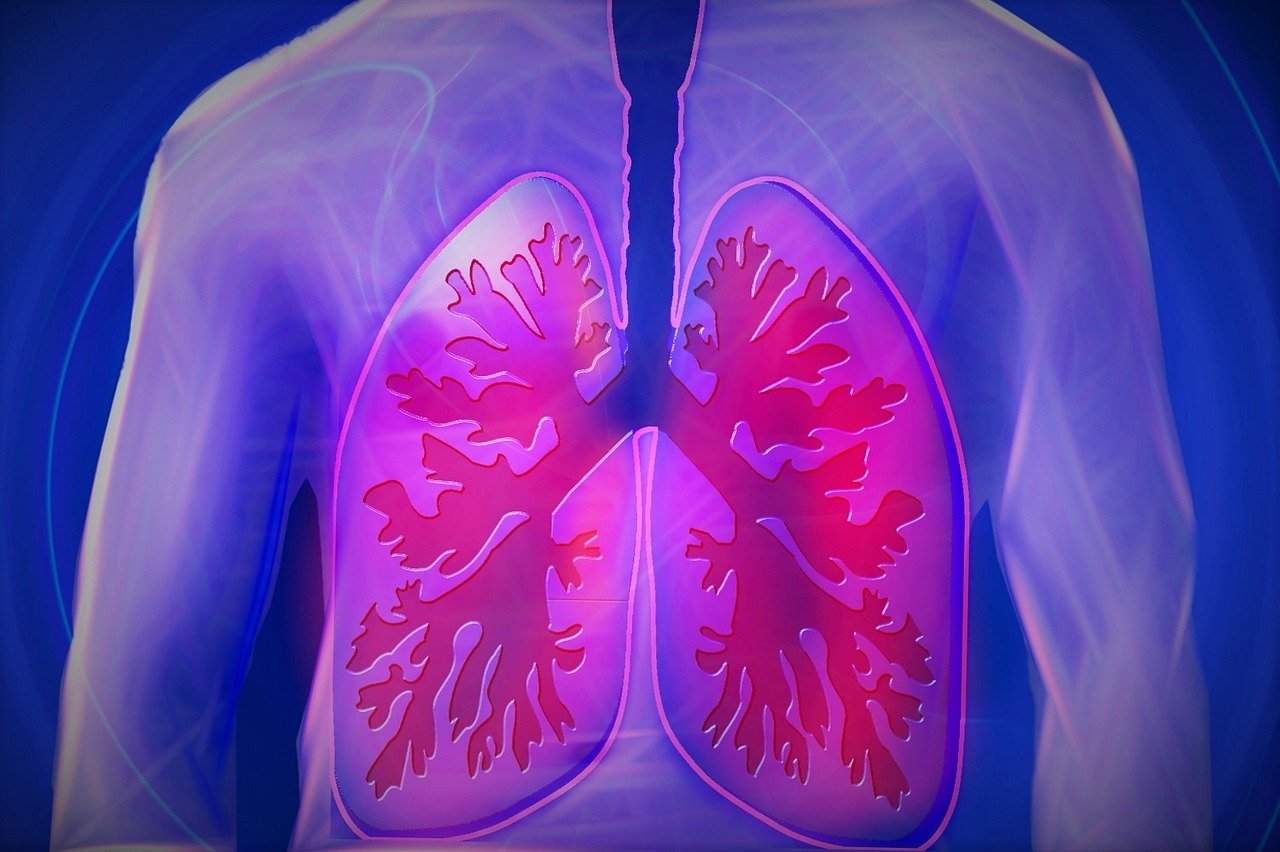
Understanding Lung Disease: A Patient's Guide
Your lungs work around the clock — bringing oxygen into your body and removing carbon dioxide with every breath. When they're affected by disease or injury, everyday activities like walking, climbing stairs, or even talking can feel surprisingly hard.
This guide covers the most common lung conditions in plain language: what each one is, how doctors find it, what treatments are available, and what you can do to protect your lung health.
Common Lung Conditions
Asthma
A long-term condition where the airways become inflamed and narrow, making it harder to breathe.
Wheezing Shortness of breath Chest tightness Coughing at night Pollen / dust Smoke Exercise Cold air Stress 💨
COPD
A group of conditions (including chronic bronchitis and emphysema) that cause ongoing airflow blockage. Smoking is the leading cause.
Daily cough Mucus/phlegm Breathlessness Wheezing Frequent chest infections 🦠
Pneumonia
An infection that inflames the air sacs in one or both lungs. Can be caused by bacteria, viruses, or fungi.
Fever chills Cough with phlegm Chest pain Fatigue Shortness of breath 🧫
Tuberculosis (TB)
A contagious bacterial infection spread through the air. It usually affects the lungs but can spread elsewhere in the body.
Cough lasting 2–3 weeks+ Night sweats Weight loss Fever Fatigue 🔬
Lung Cancer
Abnormal cells grow uncontrollably in the lung, forming tumors. Smoking is the biggest risk factor. Symptoms often appear late.
Persistent cough Coughing up blood Chest pain Unexplained weight loss Breathlessness 🧱
Pulmonary Fibrosis
Lung tissue becomes scarred and stiff over time, making it harder to breathe. The cause is not always known.
Gradual breathlessness Dry persistent cough Fatigue Chest discomfort ⚡
Pulmonary Embolism
A blood clot (usually from the legs) travels to the lungs and blocks a pulmonary artery. This is a medical emergency.
Sudden breathlessness Sharp chest pain Rapid heartbeat Fainting Coughing blood 🔍
How Lung Diseases Are Diagnosed
Your doctor uses a combination of conversation, physical examination, and tests to understand what's happening in your lungs. Here's what to expect:
| Test or Step | What it involves | What it looks for |
|---|---|---|
| Medical history & exam | Your doctor asks about symptoms, smoking, work environment, and family history. They listen to your lungs and check your oxygen level. | Wheezes, crackles, signs of low oxygen, leg swelling |
| Chest X-Ray | A quick, painless scan of your chest. | Infections, tumors, fluid around the lungs, COPD changes |
| CT Scan | A more detailed scan that creates cross-section images of your chest. You lie still in a large ring-shaped machine. | Small tumors, fibrosis patterns, blood clots, emphysema |
| Spirometry (Breathing Test) | You breathe into a mouthpiece attached to a machine. It measures how much air you can move and how quickly. | Asthma, COPD; helps grade disease severity |
| Blood Tests | A routine blood draw from your arm. | Signs of infection, oxygen levels, autoimmune conditions |
| Sputum Test | You cough up a mucus sample, which is sent to a lab. | Bacteria, fungi, TB |
| Bronchoscopy | A thin, flexible tube with a camera is gently guided through your nose or mouth into your airways. You’re given medicine to keep you comfortable. | Tumors, blockages, bleeding; allows tissue sampling |
| Biopsy | A small tissue sample from the lung is removed and examined under a microscope. Can be done via bronchoscopy or a CT-guided needle. | Cancer, fibrosis, unusual infections |
Treatment Options
Treatment depends on the type and severity of the condition. Many lung diseases are managed with a combination of medications, lifestyle changes, and occasionally procedures.
Asthma
- Rescue inhalers Short-acting bronchodilators (like salbutamol) open the airways quickly during an attack or before exercise.
- Controller medications Inhaled corticosteroids reduce daily inflammation. Long-acting bronchodilators are often combined with these. For severe asthma, biologic injections may be used.
- Avoiding triggers Reducing dust, pet dander, smoke, and strong odors at home can significantly reduce attacks.
- Written asthma action plan Your doctor helps you recognize warning signs and know what to do if symptoms worsen.
COPD
- Stop smoking The single most important step. Quitting at any age slows or halts further damage. Patches, medications, and counseling all help.
- Inhaled medications Long-acting bronchodilators keep the airways open. Corticosteroids may be added in some cases.
- Pulmonary rehabilitation A structured programme of exercise, breathing techniques, and education that improves fitness and reduces breathlessness.
- Vaccinations Flu and pneumococcal vaccines reduce the risk of serious infections and hospital stays.
- Oxygen therapy For people with chronically low oxygen levels at home.
- Surgery (in select cases) Lung volume reduction surgery, bullectomy, or lung transplantation may be considered for advanced disease.
Pneumonia
- Bacterial pneumonia Treated with antibiotics, plenty of rest and fluids, and fever/pain relief (e.g., paracetamol).
- Viral pneumonia Mostly supportive care — rest, fluids, and oxygen if needed. Antivirals are used for certain viruses like influenza or COVID-19.
- Severe cases May need hospitalisation, IV antibiotics or antivirals, and in serious situations, oxygen or ventilator support.
Tuberculosis (TB)
TB is treated with a combination of antibiotics (usually four drugs) taken for at least 6 months. It's vital to take every dose as prescribed — stopping early can allow the bacteria to come back in a drug-resistant form. Many programmes use supervised therapy to support patients through the full course.
Lung Cancer
- Surgery Removal of part or all of the affected lung, if the cancer hasn't spread and the patient is well enough.
- Radiation therapy High-energy beams target and destroy cancer cells.
- Chemotherapy Medicines that kill fast-dividing cells throughout the body.
- Targeted therapy Drugs designed for specific genetic mutations in the cancer (e.g., EGFR, ALK).
- Immunotherapy Helps your immune system recognise and attack the cancer.
Most lung cancer treatment involves a team of specialists working together — often a combination of the above approaches is used.
Pulmonary Fibrosis
While scarring cannot be reversed, several strategies help manage the condition:
Anti-fibrotic medications (pirfenidone, nintedanib) Oxygen therapy Pulmonary rehabilitation Treating underlying causes Lung transplant (advanced cases)
Pulmonary Embolism
This is a medical emergency. Treatment is started immediately:
Blood thinners (anticoagulants) Clot-dissolving drugs (thrombolytics) Surgical or catheter clot removal Compression stockings 🛡️
Protecting Your Lung Health
Many lung diseases are preventable — or at least their severity can be reduced — through a few key lifestyle habits and precautions.
Quit Smoking
Smoking is the #1 cause of COPD and lung cancer. Quitting at any age helps. Ask your doctor about nicotine patches, medications, or support groups.
Protect Yourself at Work
If you work around dust, chemicals, fumes, or asbestos, use recommended masks, ensure good ventilation, and attend regular health check-ups.
Reduce Air Pollution Exposure
Ventilate your home, use exhaust fans when cooking, check local air quality alerts, and consider air purifiers in high-pollution areas.
Stay Vaccinated
Get a flu shot every year. Ask your doctor about pneumococcal, COVID-19, and whooping cough vaccines — especially important for older adults and those with chronic conditions.
Practice Good Hygiene
Wash your hands often. Cover your mouth and nose when coughing or sneezing. Avoid close contact with people who are unwell.
Stay Active Eat Well
Regular exercise — even daily walks — improves lung efficiency. A healthy diet, staying hydrated, and maintaining a healthy weight all support your breathing.
Get Regular Check-Ups
See your doctor for persistent cough, unexplained weight loss, or breathlessness. Heavy smokers may benefit from regular low-dose CT screening for lung cancer.
When to Call for Emergency Help
🚑 Call 999 / 911 or go to A E immediately if you have:
- Sudden, severe shortness of breath
- Chest pain — especially if it spreads to your arm, neck, or jaw
- Coughing up a large amount of blood
- Blue lips or face (a sign of dangerously low oxygen)
- Sudden confusion or extreme drowsiness
- Severe wheezing that does not improve with your rescue inhaler
These can be signs of serious, life-threatening conditions including a severe asthma attack, pulmonary embolism, pneumonia, heart attack, or acute respiratory failure. Don't wait — get help immediately.
✅ Key Takeaways
- Many lung diseases share overlapping symptoms — cough, breathlessness, wheezing, chest pain, and fatigue. Don't ignore symptoms that persist.
- Early diagnosis leads to better outcomes. See a doctor promptly if symptoms last more than a few weeks.
- Stopping smoking is one of the most powerful things you can do for your lung health — at any age.
- Vaccines, good hygiene, and a healthy lifestyle significantly reduce the risk of serious lung infections.
- Work with your healthcare team to get the right tests and a treatment plan that fits your needs.
- If in doubt about a sudden or severe symptom, always seek emergency help without delay.