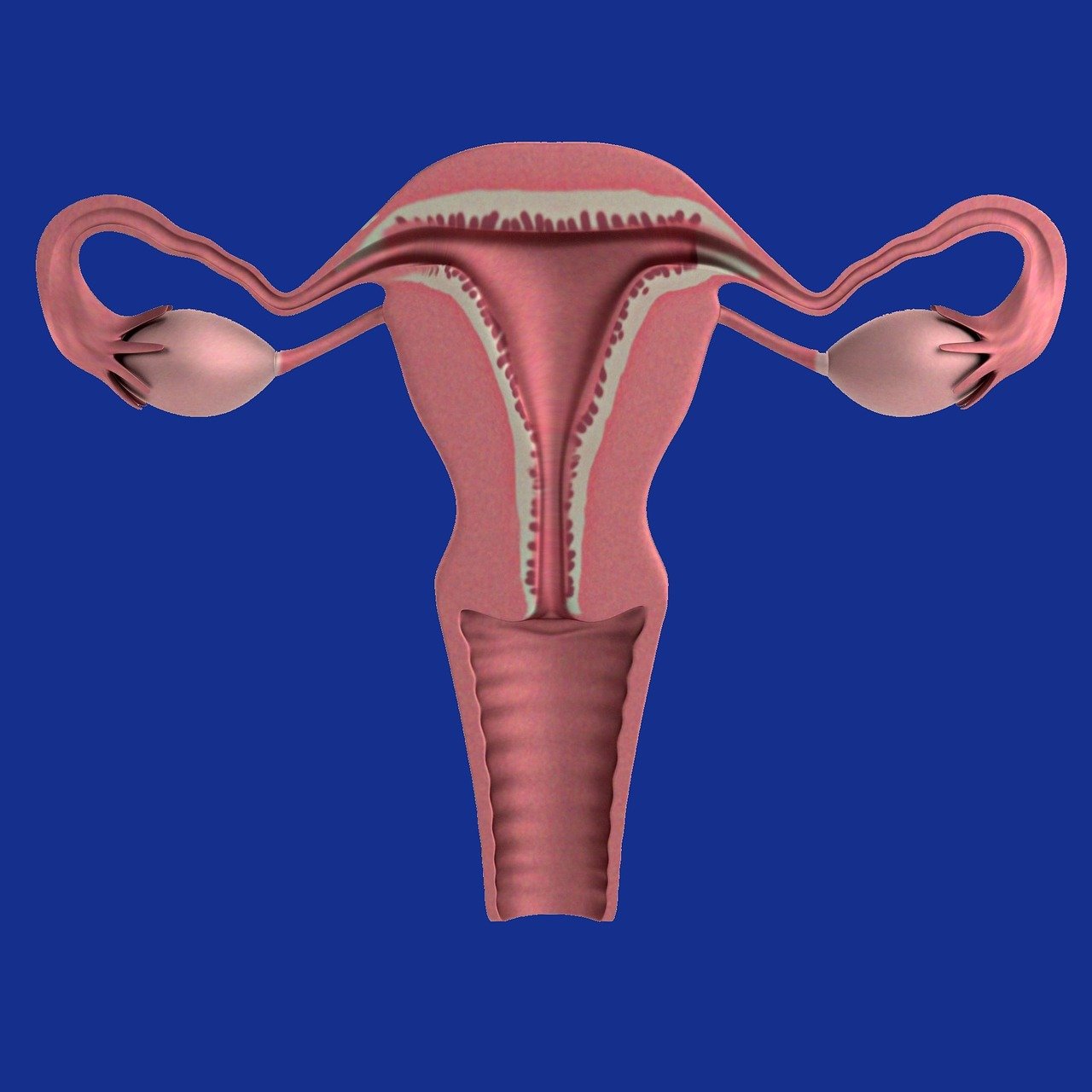
Understanding PCOS: A Clear, Compassionate Guide
What is PCOS?
PCOS is one of the most common hormonal conditions affecting people with ovaries during their reproductive years — yet it remains widely misunderstood.
The short version
PCOS is a hormonal and metabolic disorder that affects how the ovaries work. Despite the name, it's not just about cysts — it's primarily about hormonal imbalance and irregular ovulation. You can have PCOS without visible cysts, and you can have ovarian cysts without having PCOS. Around 1 in 10 people with ovaries of reproductive age have PCOS. Many go undiagnosed, especially if they're not trying to conceive or if symptoms like mild acne or irregular periods are dismissed. Doctors use the Rotterdam criteria to diagnose PCOS — you need to have at least two out of three key features: 1
Irregular or absent periods
Fewer than 8 periods a year, cycles longer than 35 days, or no periods at all 2
Signs of high androgens
Excess facial or body hair, acne, scalp hair thinning, or elevated androgens on blood tests 3
Polycystic ovaries on ultrasound
Enlarged ovaries containing 12 or more small follicles, or increased ovarian volume Other conditions must be ruled out first. An ultrasound is not always required. 🩺
Symptoms of PCOS
PCOS looks different in every person. Some have many obvious signs; others have only mild symptoms. Here are the main areas it can affect. 🗓️
Periods & Ovulation
Irregular or absent periods
- Very heavy or very light bleeding
- Unpredictable cycles
- Difficulty getting pregnant
Androgen-Related
- Excess hair on face, chest, abdomen
- Persistent acne (often jawline)
- Scalp hair thinning
- Oily skin
Metabolic
- Weight gain around the abdomen
- Difficulty losing weight
- Sugar cravings, energy crashes
- Dark skin patches (acanthosis nigricans)
Emotional Mental
- Anxiety or depression
- Low self-esteem or body image concerns
- Stress from chronic symptoms
- Feelings of loss of control
Remember
Not everyone will experience all of these. PCOS is a spectrum — your experience is valid even if it doesn't look exactly like someone else's.
What Causes PCOS?
There isn't one single cause. PCOS develops from a combination of genetic, hormonal, and lifestyle factors working together.
Genetics
PCOS runs in families. If a close female relative has it, your risk is higher. Multiple genes linked to hormones, insulin, and inflammation are thought to be involved — not just one single "PCOS gene." You didn't cause this.
Insulin Resistance
When your cells don't respond well to insulin, your body produces more of it. High insulin levels signal the ovaries to make more androgens (like testosterone), which then disrupts ovulation and your cycle. This can affect people of any weight.
Hormonal Imbalance
PCOS involves higher androgens, altered LH and FSH levels (hormones that control ovulation, with LH typically higher than FSH), and often low progesterone due to irregular ovulation. This hormonal mix disrupts egg development.
Low-Grade Inflammation
Research shows that many people with PCOS have chronic, low-level inflammation. This can worsen insulin resistance and trigger more androgen production. Diet, stress, sleep, and lifestyle all play a role.
Types of PCOS
PCOS is not one-size-fits-all. These patterns (not all officially standardised) can help guide a more personalised approach.
💉 Insulin-Resistant
The most common type. Prominent insulin resistance, weight gain around the middle, sugar crashes. Higher risk for prediabetes and type 2 diabetes.
🌸 Lean PCOS
Normal or low BMI, but still irregular cycles and high androgens. Insulin resistance can still be present — it's just less visible on the outside.
Post-Pill PCOS
PCOS-like symptoms that emerge after stopping the contraceptive pill. Sometimes temporary, as natural hormones rebalance over time.
🔥 Inflammatory
Fatigue, skin issues, digestive problems, and possible autoimmune overlap. Low-grade inflammation plays a larger role in this pattern.
How PCOS is Diagnosed
Diagnosis is pieced together from your history, symptoms, and tests — not just one single result.
Medical History
Your provider will ask about your menstrual cycle, weight changes, hair growth, acne, family history of PCOS or diabetes, and any fertility concerns.
Physical Examination
They'll check your BMI, waist measurement, skin for acne or dark patches, hair growth patterns, and scalp hair thinning.
Blood Tests
These may include androgen levels (testosterone, DHEAS), reproductive hormones (LH, FSH), thyroid function, fasting blood glucose and insulin, HbA1c, and a lipid profile. Other conditions are ruled out first.
Pelvic Ultrasound (if needed)
An ultrasound checks ovarian size, follicle number and appearance, and the thickness of the uterine lining. However, you can still be diagnosed with PCOS without an ultrasound if you meet other criteria.
Long-Term Health Risks
PCOS affects more than periods and fertility. Being aware of these risks helps you monitor and protect your health over time — not everyone will develop them.
Insulin resistance, prediabetes, type 2 diabetes High cholesterol and triglycerides High blood pressure Metabolic syndrome Endometrial hyperplasia (thickened uterine lining) Sleep apnea (especially with obesity) Non-alcoholic fatty liver disease Higher rates of anxiety and depression
The good news
Regular check-ups, healthy habits, and appropriate treatment can significantly reduce these risks. Early diagnosis and ongoing care really do make a difference.
Treatment Management
PCOS can't currently be cured, but its symptoms can be managed very effectively. Treatment is tailored to your goals — whether that's regulating your cycle, managing symptoms, improving metabolic health, or supporting fertility.
🌿 Lifestyle 💊 Medications 💙 Mental Health
🥗 Nutrition
- Focus on whole foods — vegetables, fruit, lean proteins, healthy fats, and whole grains
- Limit highly processed carbs and sugary drinks (white bread, pastries, soda)
- Choose high-fibre carbs like oats, quinoa, beans, and lentils — they help blood sugar stay steady
- Balance meals with protein + fibre + healthy fat to reduce cravings and energy crashes
- Consider lower-GI choices (e.g., brown rice or quinoa instead of white rice)
- Avoid very long gaps between meals followed by large meals
🏃 Physical Activity
- Aim for 150+ minutes of moderate activity per week (walking, cycling, swimming)
- Add 2–3 days of strength training — building muscle helps your body use insulin more effectively
- Some movement is better than none — start where you are and build gradually
⚖ Weight
- Not everyone with PCOS needs to lose weight — this is individual
- For those with obesity, even a 5–10% reduction can improve cycles, androgen levels, and insulin resistance
- You can improve your metabolic health with better habits even if your weight barely changes
Talk to your provider
The right medication depends on your specific symptoms, goals, and health history. Always discuss options, side effects, and long-term plans with your healthcare team.
For Irregular Periods (not trying to conceive)
- Cyclic progesterone (e.g., 100mg sublingual, days 14–28 of the cycle) — often a first-line option
- Metformin or berberine — helps with insulin resistance and can regulate cycles
- Spironolactone — if acne is a significant concern
- Combined oral contraceptive pill — regulates cycles, lowers androgens, and protects the uterine lining; typically used if contraception is also needed
For Insulin Resistance
- Metformin — improves how the body uses insulin, can improve cycles and metabolic markers, and may reduce diabetes risk
For Excess Hair Acne
- Spironolactone (anti-androgen) — first-choice option to reduce hair growth and acne; contraception required as it's not safe in pregnancy
- Combined oral contraceptives — second-line option
For Fertility (trying to conceive)
- Letrozole — often the first-line medication to stimulate ovulation in PCOS
- Clomiphene citrate — an alternative if letrozole isn't suitable
- Metformin — may be added if insulin resistance is present
- Gonadotropin injections or IVF — considered in more complex situations with a fertility specialist
Living with PCOS can be emotionally exhausting — dealing with body hair, acne, weight, fertility worries, and the feeling that your body isn't cooperating. These feelings are valid and common.
What the research shows
- Higher rates of anxiety and depression in people with PCOS compared to the general population
- Body image concerns and disordered eating patterns are also more common
- The chronic nature of the condition and visible symptoms can contribute significantly to stress
What can help
- Therapy or counselling — CBT and other approaches are effective for anxiety and depression
- PCOS support groups and online communities — connection with others who understand can reduce isolation
- A non-judgmental, multidisciplinary care team (doctor, dietitian, therapist)
- Being kind to yourself — managing a chronic condition is genuinely hard work
Your mental health matters
It's just as important as managing your hormones and lab numbers. Don't hesitate to bring emotional and psychological concerns to your healthcare team.
PCOS Fertility
PCOS is a leading cause of ovulatory infertility — but most people with PCOS can get pregnant with the right support.
Naturally
Many people conceive naturally, especially with lifestyle improvements that support regular ovulation.
With Medication
Ovulation-stimulating medications like letrozole or clomiphene are effective for many people.
With Assisted Conception
IUI and IVF are options when other approaches haven't worked or in more complex cases.
If you're thinking about pregnancy
Talk with your provider early — even before you start trying. Check blood sugar, weight, and overall health, and discuss folic acid and any current medications. PCOS pregnancies can carry a slightly higher risk of gestational diabetes, so close monitoring is important.
Common Myths About PCOS
There's a lot of misinformation out there. Let's clear some up.
Myth
"You caused your PCOS by eating badly or not exercising."
Not true. PCOS has strong genetic and hormonal roots. Lifestyle can influence how severe symptoms are, but you absolutely did not cause this condition.
Myth
"You can't get pregnant if you have PCOS."
Not true. Many people with PCOS get pregnant — sometimes naturally, sometimes with support. PCOS is a challenge, not an absolute barrier to parenthood.
Myth +
Not true. Lean PCOS is well documented. Weight alone does not rule PCOS in or out — it's a hormonal condition, not a weight condition.
Myth +
Not true. The pill can effectively manage symptoms — regular cycles, reduced acne and hair growth — but it doesn't fix the underlying hormonal imbalance. Symptoms can return when you stop.
Myth
"You must have cysts on your ovaries to have PCOS."
Not true. You can be diagnosed based on hormonal symptoms and menstrual irregularity alone, without an ultrasound showing cysts. The "cysts" in the name are actually small follicles — and not everyone has them.
Living Well with PCOS
Practical habits that help you feel more in control of your health day to day.
Track your cycles symptoms
Use an app or journal to note periods, mood, skin, hair, and energy. Patterns help you and your provider make better decisions.
Get regular check-ups
Monitor blood sugar, cholesterol, blood pressure, and uterine health. Prevention is far easier than treatment.
Build a care team
A functional medicine physician, endocrinologist if needed, dietitian, and mental health professional can each play a valuable role.
Set realistic goals
Focus on sustainable habits, not perfection. Celebrate small wins — better sleep, more stable cycles, more energy.
Seek community
Online PCOS communities and local support groups can reduce isolation and help you feel understood.
🩺 When to See a Healthcare Provider
Don't wait — early evaluation allows for better long-term management. Seek advice if you:
✓ Have irregular, very infrequent, or absent periods ✓ Have been trying to conceive for 6–12 months without success ✓ Notice increasing facial or body hair, scalp thinning, or worsening acne ✓ Have symptoms of high blood sugar: extreme thirst, frequent urination, fatigue ✓ Feel persistently anxious, depressed, or overwhelmed
You're not defined by PCOS.
PCOS is common, complex, and sometimes overwhelming — but it is absolutely manageable. With the right information, care, and support, you can feel more in control of your body and your life.
✓ Improve your cycles ✓ Reduce symptoms ✓ Protect long-term health ✓ Support your fertility ✓ Feel like yourself again